Ask a Master Gardener: Milkweed Seeds…Why Didn’t They Grow?

By: Alice Marty, Mobile County Master Gardener
Most people are in a hurry these days. Our lives move at a pace that is hard to keep up. Even the joy of gardening has moved to a high-speed hobby with ready transplants available at so many garden shops and big box stores. A slow start with seeds seems like a thing of the past, but there are still many varieties of vegetables and plants that must be started from seed, as well as new plant varieties that are only available as seeds.
If you have had a problem growing your garden from seed, be aware that many plants native to cooler climates, including milkweed, need cold weather to break dormancy and begin germinating. Without this built-in need for a natural cold period, seeds might sprout before winter and be killed by freezing temperatures.
Cold Moist Stratification exposes seeds to cold, moist conditions that simulate winter, helping them germinate and grow in springtime in warmer climates.
Seeds That Do Not Need Cold StratificationAnnual seeds generally do not require cold stratification. Marigolds, zinnias, snapdragon, lupine, petunias and cosmos are examples.
Seeds That Need Cold Stratification
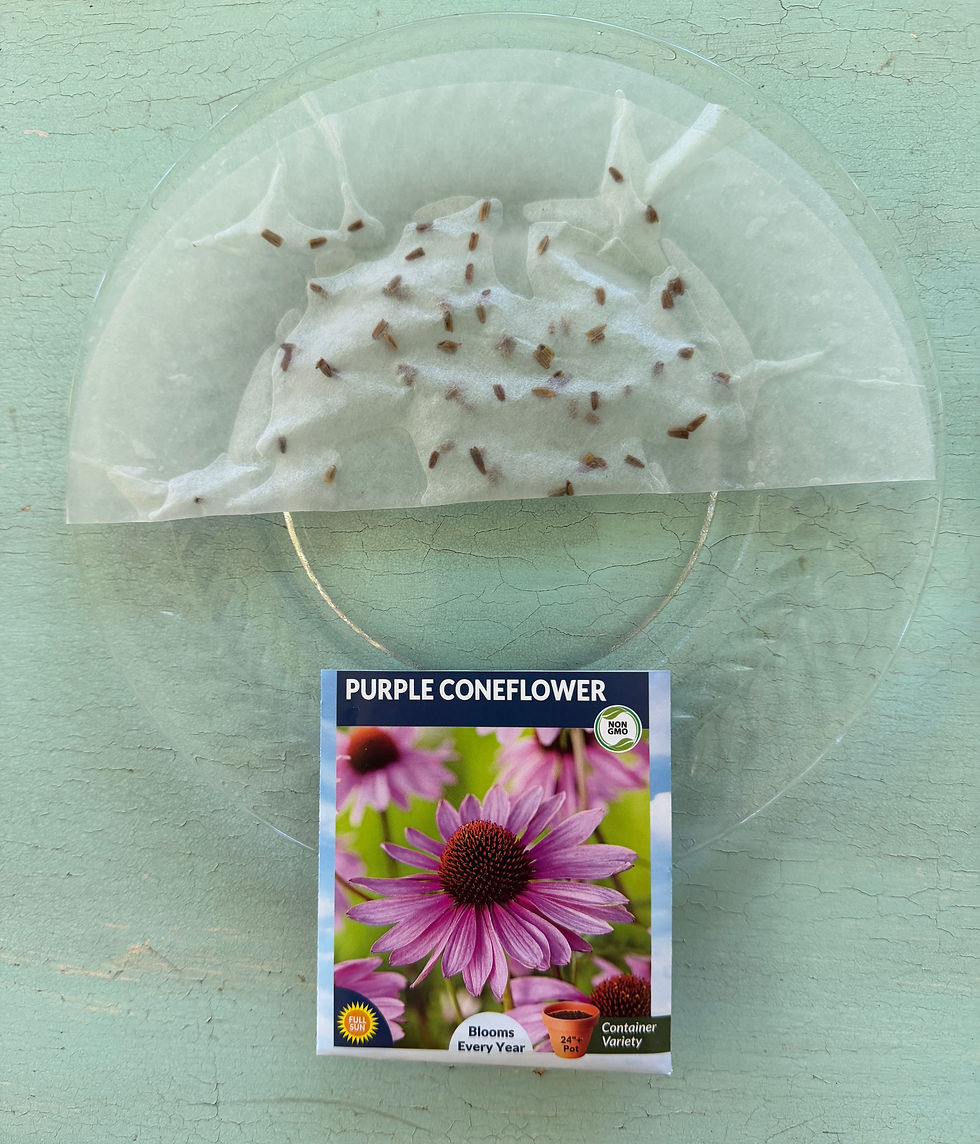
Milkweed, coneflower (echinacea), columbine, lupine, and penstemon, to name a few, require a period of cold stratification before they can germinate in the warmer spring months.
How to create your own cold stratification
Storing seeds in a refrigerator in their original seed packet seems to do the trick for cold stratification in most cases, especially for the easier germinating plants but may not work in all cases. These suggestions can encourage slower germinating seeds.
#1 Store in a moist bag in the refrigerator
Dampen a coffee filter. Place seeds on one half and fold in half. Place the damp, folded filter in a small zip lock bag. Mark with the plant name and date. Place the bag in an out-of-the-way area of the refrigerator. Check regularly for germination, then remove and sow.
#2 Pre-Sown Seeds
Sow the seeds in a planting tray, then place the tray in a plastic container and refrigerate it. Check regularly for germination. Once the seeds sprout, move the tray outdoors, or to a sunny window if the weather is still cold.
#3 Store Pre-Sown Seeds in an Out-of-the-Way Area Outside
Make sure the tray is not under water run-off areas, or near a pet area.
#4 Winter Sow
Winter sowing would be my go-to method. There are a myriad of sites online explaining winter sowing. https://extension.psu.edu/starting-seeds-in-winter
This method includes sowing many seeds together in modified milk jugs and placing them outside. Make sure to keep them away from any water runoffs and pet areas. The seeds will stratify and begin growing when temperatures are warming. They can be transplanted when they have at least 4 new leaves.
Now is a good time to gather seeds, containers, and tools that you may need for your cold stratified seeds. Plenty of seed selections are available. A good time to plant and set outside or refrigerate is the middle of December. Most plants need 4 to 6 weeks of cold before they germinate.
Plan for plenty of milkweed seeds for food for the monarchs when they visit next year!


Comments