Ask a Master Gardener: Creating Beauty That Comes Alive After Dark
By: Nikki Cobb, Urban Regional Extension Agent, Alabama Cooperative Extension System, nzc0088@aces.edu | www.mobilecountymastergardeners.org
During the summer heat, the garden may not be calling your name, but as dusk falls and temperatures cool, moon gardens come to life. With luminous whites and reflective accents, they extend the use of your outdoor space into the evening, offering a calm place to unwind, observe nighttime ecology, or stargaze. Moon gardens have been cultivated for centuries, from Emperor Babur’s 1530 Mehtab Bagh in India to early American examples in the 1800s, and today anyone can create one with just a few thoughtful elements.
Begin by choosing a spot with the best chance of receiving direct moonlight, often the same areas that get the most sun. Note any structures or trees that might block the sky and avoid locations with bright streetlights or heavy noise. Moon gardens can be anything from a small corner or container grouping to a main focal point, so choose the location and style that fits your space.
Once you’ve chosen a location, take note of the growing conditions. Does the area receive full sun, partial shade, or full shade? This will guide your plant choices. When selecting plants, look for a range of characteristics to add dimension and interest. Choose specimens with different sizes, shapes, and growth habits to create a layered effect. Incorporate a mix of flowers, grasses, vines, shrubs, and small trees so moonlit blooms and foliage cast contrasting silhouettes.
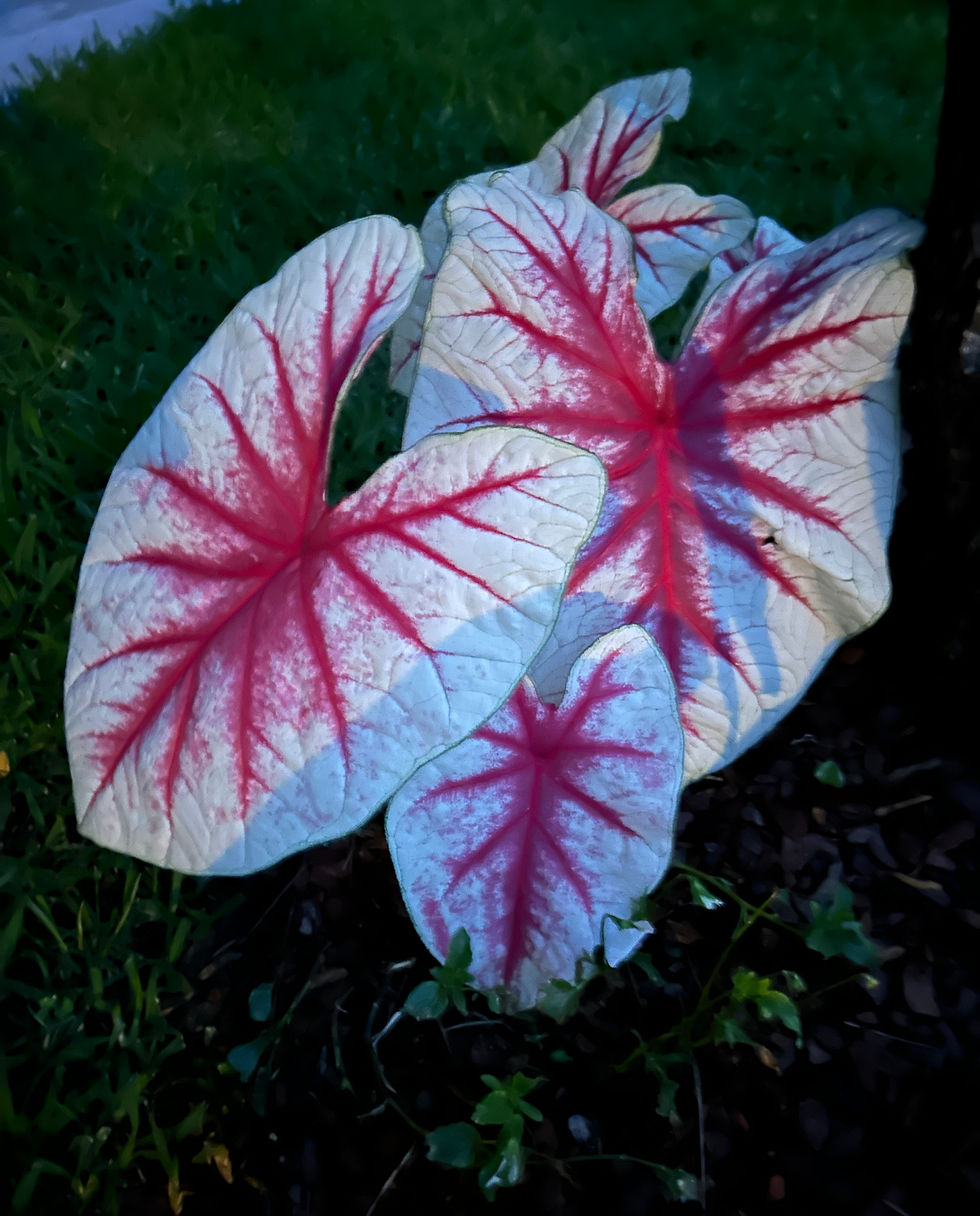
Moon gardens rely on plants with colors and textures that reflect the moon’s glow. Look for flowers in white or pale pastels and foliage that is silver or variegated. For sunny spots, good flowering choices include sweet alyssum (Lobularia maritima), dense blazing star (Liatris spicata 'Floristan White'), or Stoke’s aster (Stokesia laevis). In shadier areas, try woodland phlox (Phlox divaricata ‘May Breeze’) or foamflower (Tiarella cordifolia). Dusty miller (Jacobaea maritima) and Silver Sage (Salvia argentea) offer silver, textured foliage for full sun, while white caladiums and variegated pittosporum (Pittosporum tobira 'Variegata') add accents in lower‑light areas.
Ornamental grasses like blue oat grass (Helictotrichon sempervirens) or big muhly (Muhlenbergia lindheimeri) can provide seasonal interest. Add drama with Adam’s needle yucca (Yucca filamentosa), known for its sword‑like leaves and tall spikes of flowers. Shrubs like swamp azalea (Rhododendron viscosum) and oakleaf hydrangea (Hydrangea quercifolia) create beautiful structure.
For trees, sweetbay magnolia (Magnolia virginiana) and fringetree (Chionanthus virginicus) offer fragrance, texture, and moonlit highlights. Fragrance is another component of moon gardens because plants that rely on nocturnal pollinators release stronger scents, and moon gardens take advantage of that trait. Exceptional options include white yarrow (Achillea millefolium) a native with clustered blooms and fernlike foliage or gardenia (Gardenia jasminoides), a shrub with contrasting white flowers and dark glossy leaves. Include one or two fragrant plants to enjoy their aroma and the pollinators they draw without overwhelming the space.
Personalize your moon garden by adding accents in white or light colors. Light gravel paths, pale steppingstones, white planters, statues, and benches all help reflect moonlight. Water features add even more glow; birdbaths, ponds, and fountains support wildlife, and moving water brings a calming sound that helps mask surrounding noise. If you choose to use artificial lighting, stick to warm‑colored, fully shielded fixtures that are more wildlife‑friendly, and turn them off when the garden isn’t in use to reduce light pollution.
A moon garden invites you to experience your landscape in a different way, offering beauty, fragrance, and quiet moments long after sunset. With thoughtful plant selections, reflective accents, and a layout that suits your space, you can create an evening retreat that feels calm and inviting.


Comments